Vinyl
How to store vinyl records
Store records upright with the right dividers, sleeves and shelf depth. Check the shelf load and keep records away from heat and moisture.
Set up the shelf so the records stay upright
Set the jackets on their bottom edges on a level shelf. Put a rigid divider at the end of a short row so it cannot fall into the open space. A narrow metal bookend can hold a few records, but a broad divider supports more of the jacket. Give heavy box sets their own section so they do not lean on thinner sleeves.
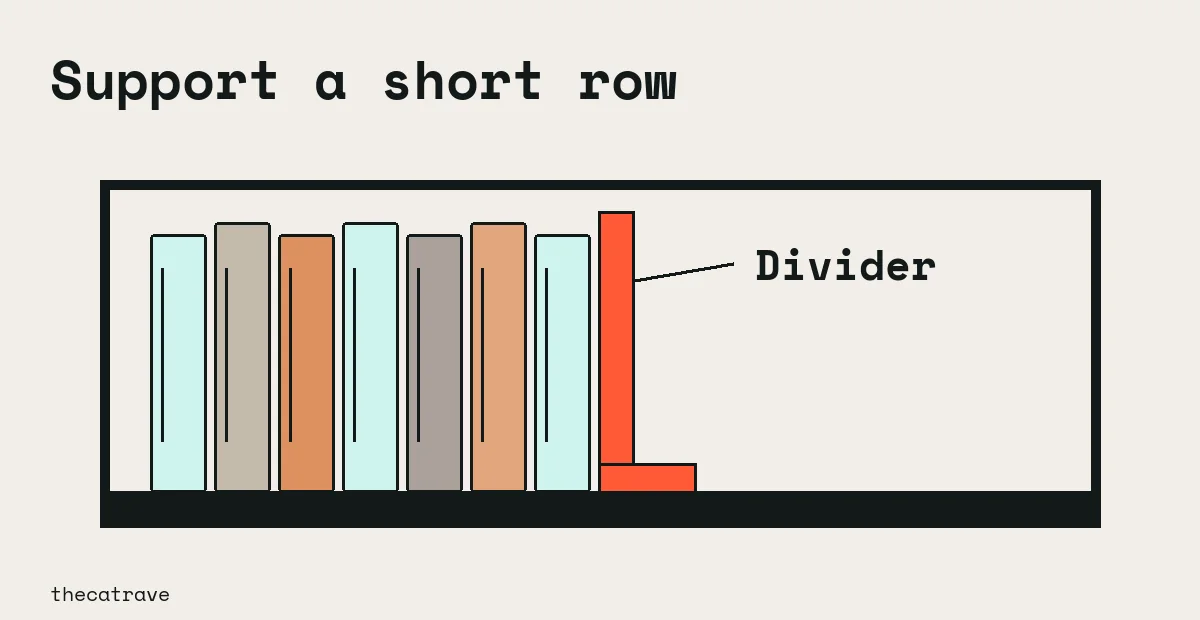
Choose furniture by its load rating for each shelf or compartment. Spread heavy records across compartments and follow the maker’s anchoring instructions. Grooved discs can average at least 35 lb per shelf-foot in an archive, according to the Library of Congress. Your shelf may carry a different load, especially if it holds several box sets. If the shelf’s capacity is unclear, weigh a crate of your records and use it to estimate the loaded shelf.
For example, a 12-inch-wide test row that weighs 30 lb gives a rough estimate of 60 lb for two feet of similar records. Weigh a representative batch with its jackets, inner sleeves and any outer sleeves fitted. Take heavy box sets out of the estimate and weigh them separately. If the furniture maker rates the whole unit and sets a lower limit per shelf, both limits apply. Include anything else stored in that compartment in the total.
Measure an actual jacket before you buy the furniture. Box sets can be deeper than ordinary sleeves and may need a separate bay. Measure the usable clearance behind the front edge and under the shelf above, with doors or hinges in their working positions. The jacket should lift out without dragging its top corners against the cabinet. Put often-played records where you can grip both sides of the jacket before pulling.
Choose a room you can keep dry
An interior room is usually easier to keep steady than a garage, attic or damp basement. Look for sun on the lower shelves as well as the top ones. Keep the bottom row above floor level where there is a risk of leaks or flooding. A lidded box keeps dust off but can also hold moisture, so put away dry records and sleeves.
If you find mould or damp jackets, separate the affected records from the dry row. Move the dry collection out of the problem area and address the source of moisture before putting it back. The Library of Congress links to conservation guidance for records that need specialist treatment.
Look at the room over a full day if you are choosing between two walls. A cabinet that stays cool in the morning can sit in direct afternoon sun. Give the records some distance from a radiator, an exterior door or a window that collects condensation. In a room where leaks have happened before, keep the first shelf clear of the floor and away from the likely water path. Check the wall and cabinet periodically for damp so you can move the collection early.
Use a clean inner sleeve and a correctly sized outer
The inner sleeve protects the disc. Replace it if it is torn or leaves debris behind. If the original has artwork or liner notes, leave it in the jacket and put the record into a clean inner. An outer sleeve protects the jacket from rubbing. Try one on a gatefold or boxed set before buying a bulk pack.
Hold the edge and label when you lift a record. If you use a record cleaning kit, let the disc dry before putting it away. A crate made for carrying records can serve as a short-term shelf between gigs if it keeps the jackets upright. Before a move, divide a heavy row across more than one box and fill unused space with a rigid divider.
Sort the collection so you can put a record away quickly. A split between everyday records, large box sets and a gig crate is enough for many collections. Keep spare clean inner sleeves beside the cleaning kit and replace torn ones as you find them. For a move, mark which way the records stand inside each box. Set each box upright on a flat surface at the destination before unloading it. Check any crate handle and base with a partial load before filling it.
| What you are storing | How it fits |
|---|---|
| An everyday LP | Clean inner inside the jacket. Add an outer if the jacket rubs its neighbours. |
| A gatefold or box set | Check the fit of the closed jacket or box before ordering sleeves in bulk. |
| A freshly cleaned record | Let it dry before it goes into a clean inner sleeve. |
For used records ordered by post, check the seller’s grading and packing before you pay.
FAQ
Is it okay to stack vinyl records flat?
Use upright storage for the collection. A short pile on the table is fine while you sort. Return the records to the shelf upright.
Can I store vinyl records in a plastic crate?
Yes, if the base supports the jackets, the records stand upright, and the crate and handles can carry the loaded weight. Put a divider in a partly filled crate to stop the records slumping.
Can I leave a crate of records in a car?
Take the crate inside when you get to your destination. A parked car can heat up, and leaving a crate in the boot gives you little control over temperature or moisture.
Sources.
Continue reading
Read next.
 Crate digging~5 min read
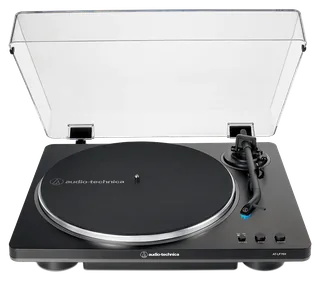
Best Audio-Technica Turntables for Listening and DJing
Compare five Audio-Technica turntables by playback controls, cartridge, USB and phono output. Find the right model for your speakers or DJ mixer.
 Crate digging~5 min read
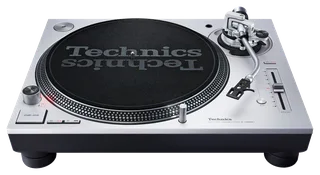
Technics SL-1200MK7 Review for Vinyl DJs
See what the SL-1200MK7 does well, what is in the box and what two working decks cost beside Reloop and Audio-Technica alternatives.
 Crate digging~5 min read
Technics 1200 vs 1210: What Changed by Model
Compare Technics SL-1200 and SL-1210 decks by generation, voltage and condition. Read the actual model badge before buying a used pair.
 Crate digging~5 min read
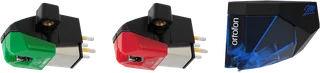
Best Turntable Cartridges for Listening and DJing
Choose a cartridge for your turntable by mount, phono stage, stylus and playing style. Compare home-listening options with back-cueing picks.