DJ gear
Best DJ turntables
Compare five direct-drive DJ turntables for mixing vinyl, scratching and DVS by pitch range, phono and line outputs, and cartridge costs.
What a DJ turntable needs
A pair of DJ turntables has to respond when you release a cued record. The motor has to recover after you hold or nudge a slipmat, the pitch control has to give you room to match two records, and the tonearm has to track the record when you cue. For scratching, the position of the start button matters too. The mixer’s crossfader has its own part to play in how sharply a cut starts.
All five picks are direct drive. They cover vinyl mixing, home practice and scratching. A digital vinyl system (DVS) lets you use timecode records to control digital tracks in DJ software. For a single deck to listen to albums at home, see the best turntables guide. If you need two decks and a mixer, check how many phono inputs the mixer has before you price the pair. For digital tracks from USB, see the CDJ and media player guide.
The DJ turntable shortlist
| Deck | Pick it for | Pitch range | Output | Cartridge |
|---|---|---|---|---|
| Technics SL-1200MK7 | Conventional vinyl mixing and familiar 1200 controls | ±8%, ±16% | Phono | Separate |
| Reloop RP-7000 MK2 | Scratching and battle-position controls | ±8%, ±16%, ±50% | Switchable phono/line | Cartridge and headshell separate |
| Audio-Technica AT-LP140XP | A phono-only starter deck with a DJ cartridge | ±8%, ±16%, ±24% | Phono | AT-XP3 included |
| Pioneer DJ PLX-500 | A first deck that also records vinyl over USB | ±8% | Switchable phono/line and USB audio | Included |
| Reloop RP-8000 MK2 | Serato DVS with deck-side performance pads | ±8%, ±16%, ±50% | Switchable phono/line and USB control | Cartridge and headshell separate |
Technics SL-1200MK7 for conventional vinyl mixing
Pick the SL-1200MK7 if your priority is putting a pair of familiar vinyl decks either side of a mixer. The pitch fader sits to the right, the start/stop control is at the front left, and the S-shaped tonearm takes a removable headshell. The MK7 gives you the ±8% range for small tempo changes and a ±16% setting when you need more room. Technics lists detachable phono and ground cables plus adjustments for starting torque and braking.
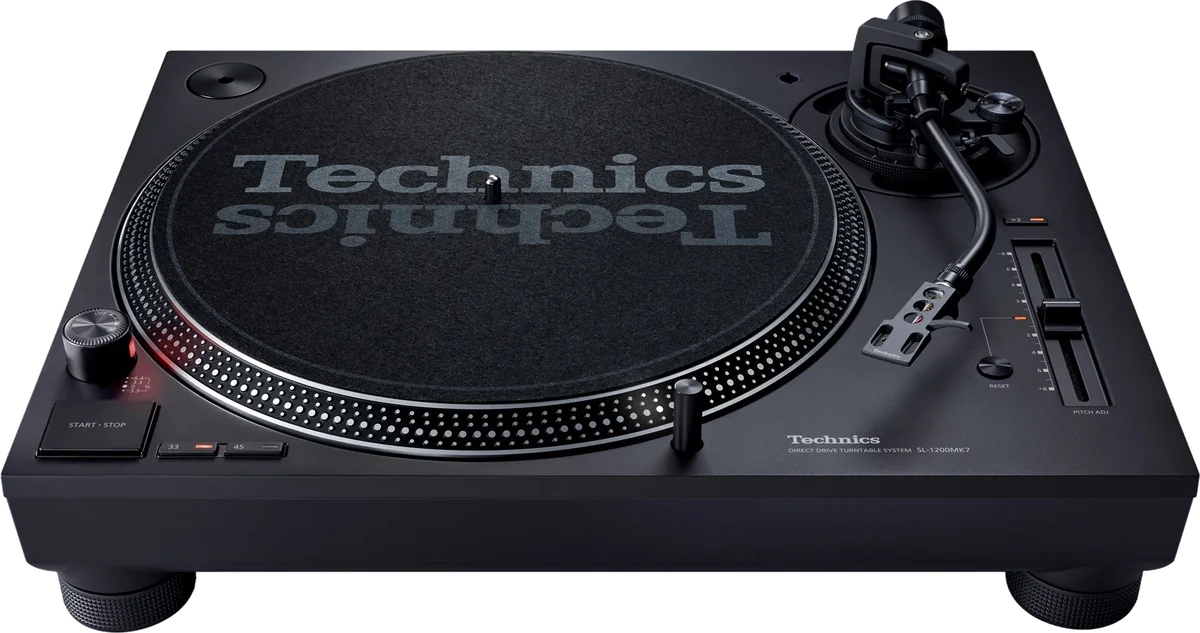
The output is phono. The deck comes with a headshell, and you buy the cartridge separately. Technics lists the deck at $1,299.99 in the U.S., or about $2,600 for a pair before cartridges and a mixer. DJ Koco demonstrates the MK7 for Technics. Price two cartridges along with two decks, especially if you are comparing it with an AT-LP140XP pair that comes fitted with cartridges. If your mixer has a phono input on each channel, you can connect the decks straight to those inputs. If the mixer only takes line, allow for a phono stage on each deck. Technics SL-1200MK7 specifications · Technics US product page
The SL-1200M7G anniversary editions use the MK7 platform with commemorative finishes. I’d put the difference toward cartridges for a working pair. A separate model, the SL-1210MKX, is designed for clubs and rental inventories, with additional isolation and ±4% and ±50% pitch settings. Technics schedules it for January 2027, so it is a deck to assess when it reaches dealers. Technics anniversary edition · Technics SL-1210MKX announcement
Reloop RP-7000 MK2 for scratching
The RP-7000 MK2 makes sense if you want to dial in how hard a deck pulls after you release the record. Reloop lets you adjust starting torque and braking separately. It also puts a second start/stop button on the deck so you can reach one in battle position. In that layout the deck is rotated so the tonearm sits farther from your record hand.
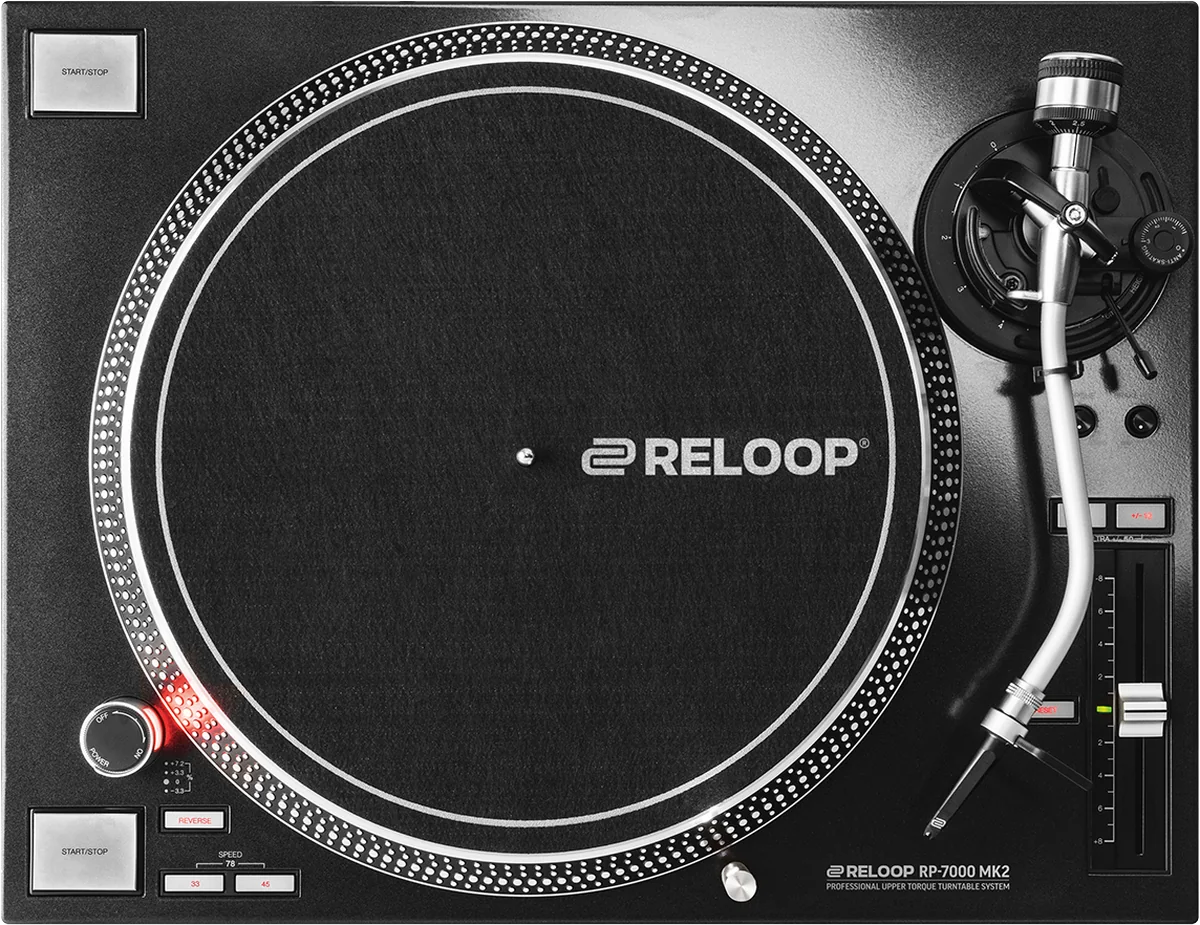
The switchable output lets the Reloop work with either a phono or line input. The standard package leaves the cartridge and headshell to you. Check whether a dealer bundle includes them or use a one-piece screw-in DJ cartridge. DMC champion DJ Rena is shown using the RP-7000 MK2 in Reloop’s artist profile. Keep some money for the crossfader too. A deck can feel right under your record hand and still make cutting frustrating if the mixer gives you little control over how sharply the fader opens. Reloop RP-7000 MK2
Audio-Technica AT-LP140XP for a first phono setup
The AT-LP140XP gives you a manual direct-drive deck with an AT-XP3 DJ cartridge already mounted to an AT-HS6 headshell. It plays 33⅓, 45 and 78 rpm, and its pitch options are ±8%, ±16% and ±24%. Audio-Technica lists it from $549 in the U.S. At that price, two decks with cartridges cost $1,098 before the mixer.
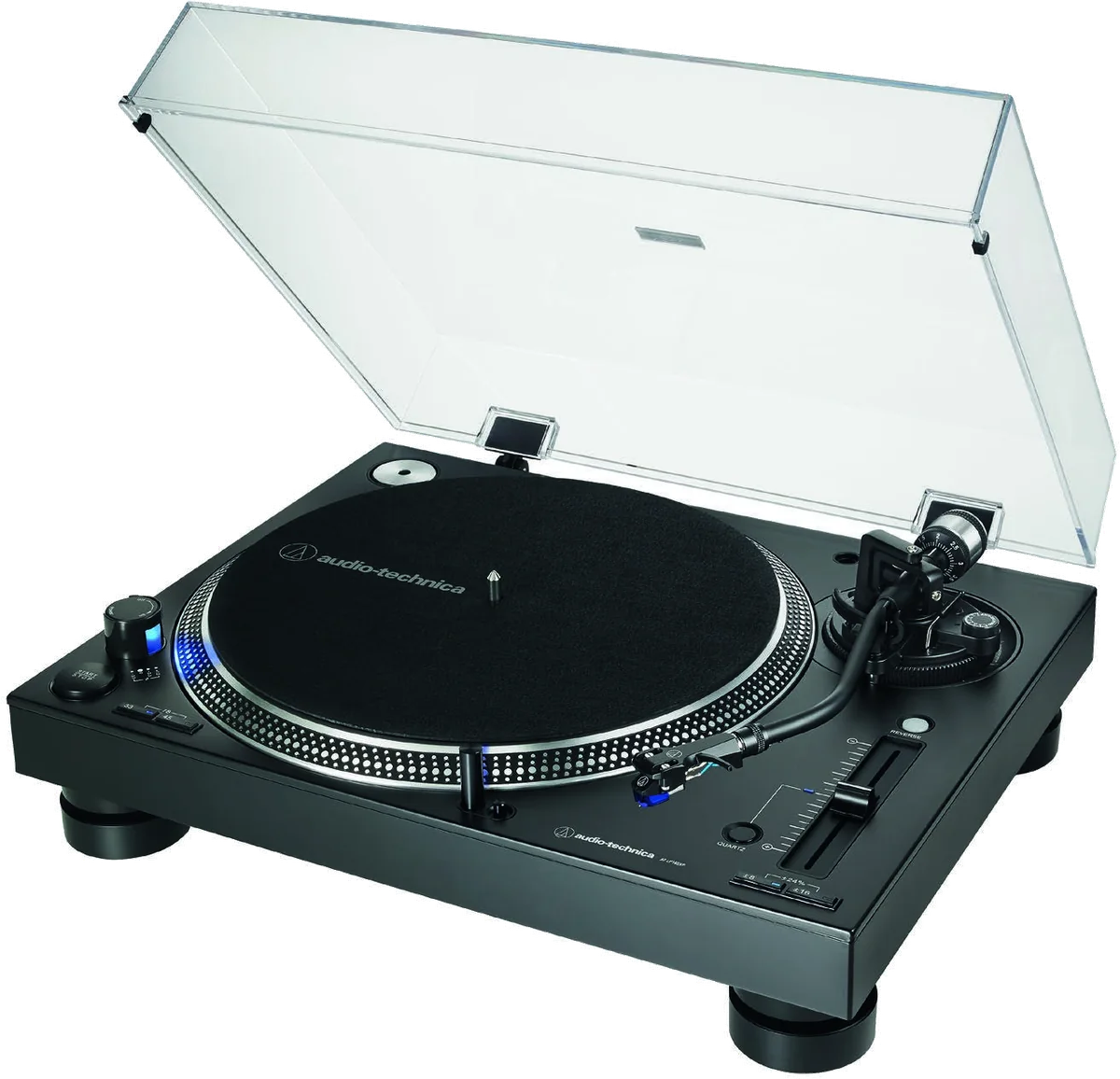
The AT-LP140XP sends a phono-level signal. If your mixer only takes line, budget for a phono stage for each deck. If your current setup already has two phono inputs and you mainly want to mix vinyl at home, the included cartridges make this a simple bill of materials. Audio-Technica AT-LP140XP specifications
Pioneer DJ PLX-500 for mixing and recording vinyl
The PLX-500 is the choice here if the same turntable will sit by the mixer and sometimes digitize records. Pioneer DJ lists it at $449 in the U.S. and includes a cartridge. The deck provides a switchable phono/line output plus USB audio for recording to a computer. Its pitch adjustment is ±8%, enough for learning to match records that are already reasonably close in tempo.
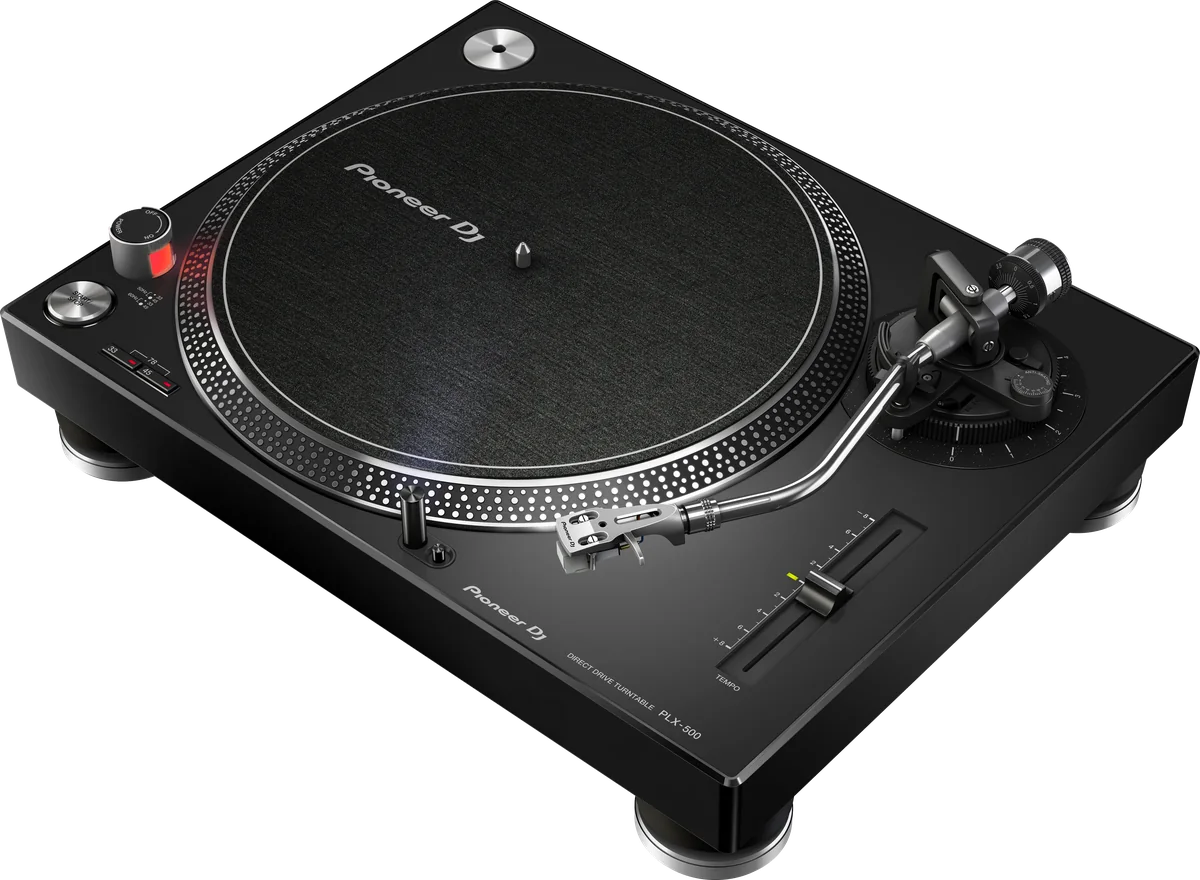
Use the line setting for a mixer with line-only inputs. If scratching is your main reason for buying decks, compare the PLX-500 with the RP-7000 MK2 and account for the cartridge price on the Reloop side. The extra brake and start controls are more relevant to repeated cuts than the PLX-500’s recording output. Pioneer DJ PLX-500 · Pioneer DJ launch and package details
Reloop RP-8000 MK2 for Serato users
The RP-8000 MK2 is for the DJ who wants cue and loop controls beside the record rather than all on the mixer. It has eight pads, Serato DJ Pro integration and a Platter Play mode that changes platter pitch from the pads. The deck also plays ordinary records and provides switchable phono/line output.
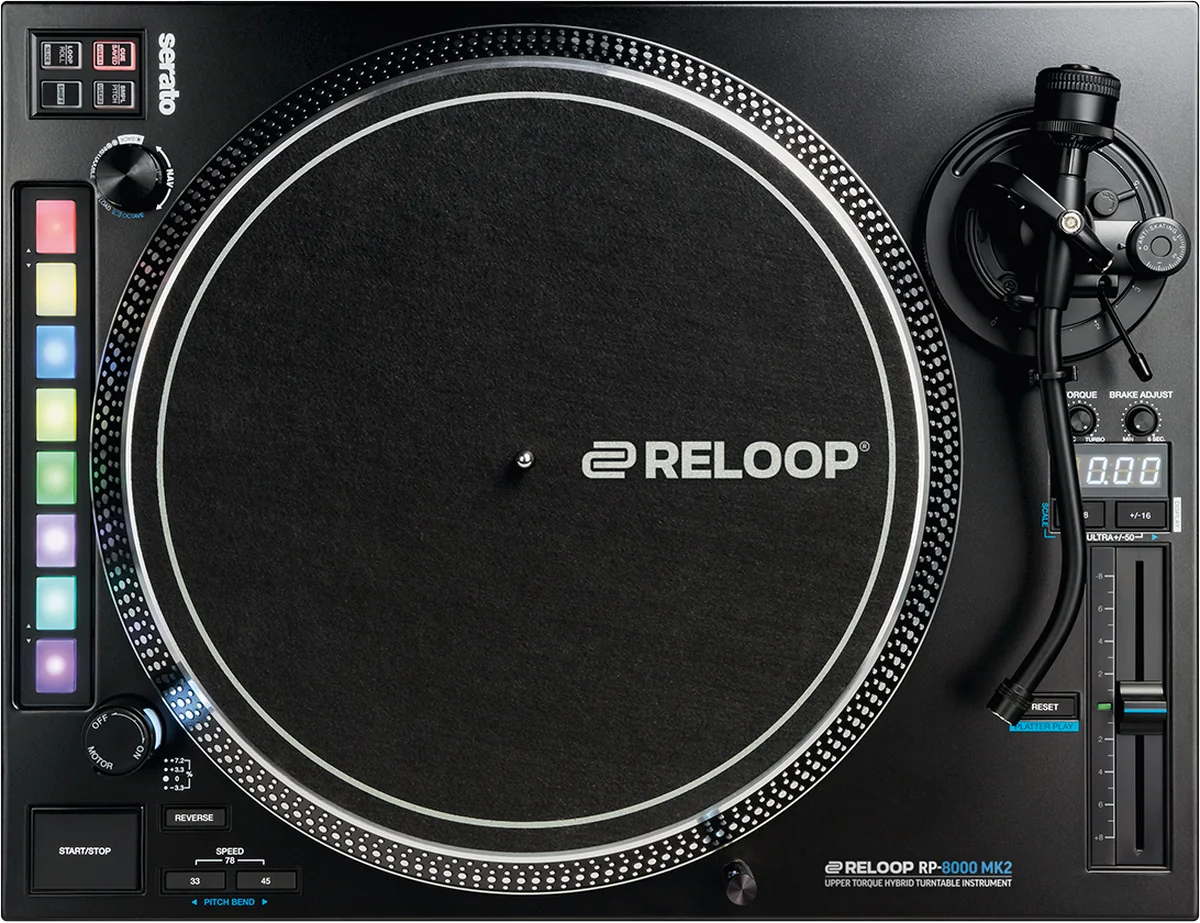
The USB connection sends control data. The audio still goes through the analogue outputs, and the deck needs a cartridge and headshell or a one-piece DJ cartridge. DJ Angelo’s Reloop profile lists the RP-8000 MK2 in his setup. For DVS, you still need a compatible mixer or interface, the required DJ software access and timecode records. If the pads and Platter Play would sit unused, the RP-7000 MK2 already gives you the same published starting-torque range, plus a second start/stop button for battle position. Reloop RP-8000 MK2 · Serato hardware listing
What to check before buying a pair
- Mixer inputs. Trace the signal from each deck separately. Two phono-only decks need two appropriate phono inputs or two phono preamps. A turntable set to line goes into a line input. Compare the DJ mixer guide for mixer choices.
- Cartridge and slipmat. Check exactly what comes in the box. Check whether the price includes a cartridge, stylus and headshell. If you buy used, judge each cartridge and stylus on its own rather than assuming it has the same useful life left as the deck.
- Pitch and torque. Compare the pitch ranges you would actually use. A wide range helps when you deliberately move far from the record’s original tempo. Adjustable torque lets you choose how firmly the platter pulls when you release it. A bigger number alone tells you little about the tonearm, isolation or feel of the pitch fader.
- Used Technics. Check the tonearm bearings for play, the platter for wobble, the pitch fader for uneven speed changes and the RCA leads for hum. Two similar-looking old decks may be in very different condition. A used pair makes more sense when you can inspect both before paying.
How these picks were chosen
I gave more weight to what each deck requires from the rest of the setup than to the biggest pitch or torque number. A beginner with a phono mixer can start with the AT-LP140XP’s included cartridge. A scratch DJ may get more from the Reloop’s battle controls, especially with a mixer that offers a sharp crossfader curve. These are spec-based recommendations.
DJ turntable FAQ
Can I use a normal direct-drive turntable for DJing?
Check for usable pitch control, a manual start and a tonearm and cartridge suited to cueing. A DJ-oriented direct-drive turntable starts quickly and has controls you can reach while cueing. A deck that lacks pitch adjustment is awkward for beatmatching even if it is perfectly good for playing albums.
What makes a good scratch turntable?
Look for a motor that recovers promptly, a cartridge and stylus intended for cueing and scratching, and controls that you can reach without moving your record hand across the tonearm. Also check the mixer’s crossfader curve. The deck and mixer each affect how the cut feels.
Do I need DVS to DJ with turntables?
For ordinary vinyl, connect the decks to appropriate mixer inputs. DVS is for controlling digital files with timecode records and needs compatible hardware and software. The DJ software guide compares the main software options.
Sources.
- Technics SL-1200MK7 specifications and package contents and U.S. listing
- Reloop RP-7000 MK2 manual and RP-8000 MK2 manual
- Audio-Technica AT-LP140XP product details and U.S. listing
- Pioneer DJ PLX-500 product details and U.S. listing
- Technics with DJ Koco and Reloop artist profiles for DJ Rena and DJ Angelo
- Serato’s RP-8000 MK2 hardware guide
Continue reading
Read next.
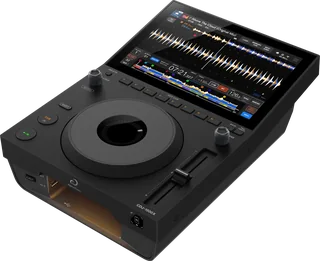 Crate digging~7 min read
Best CDJs for Club Booths, Home Practice and USB Sets
Compare the CDJ-1500X, CDJ-3000X and older media players for home and club use. Check USB library support, mixer needs and the cost of a pair.
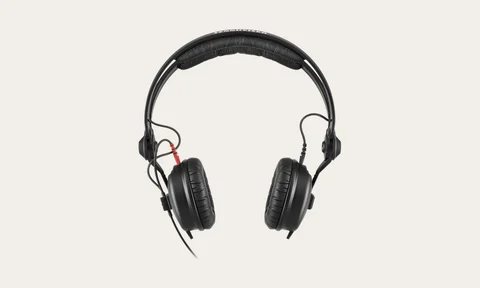 Crate digging~14 min read
Best DJ Headphones (2026): 10 Pairs for Every Budget
The Sennheiser HD 25, Pioneer DJ HDJ-CUE1 and HDJ-X10, Technics, wireless and in-ear picks, with specs and prices from the makers.
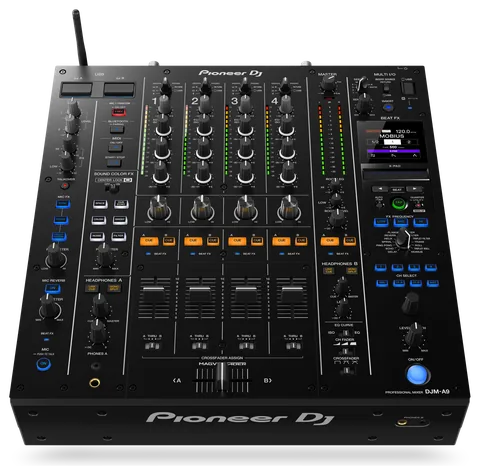 Crate digging~7 min read
Best DJ Mixers in 2026: Club, Analogue, Battle and Budget
The best DJ mixer for club DJs, plus the best analogue, six-channel, battle, budget and rotary mixers, with US prices.
 Crate digging~6 min read
Best DJ Speakers in 2026: Home Monitors, Portable and PA
The best DJ speakers for a home setup, studio monitors for DJing, a portable battery speaker and PA speakers for gigs, with US prices.