Afro house
What is afro house? Afro house artists, DJs and afro tech
House music from South Africa, from kwaito and the townships to Black Coffee, afro tech and the Ibiza and Tulum summers.
Two stories, one sound.
Ask what afro house is and you get two answers. One is a South African story: township parties, kwaito on the radio, Durban DJs and a generation of producers who took house music and made it their own. The other is a summer story: sunrise sets at Zamna Tulum, Keinemusik at Hï Ibiza and Adam Port's "Move" on every phone in the room.
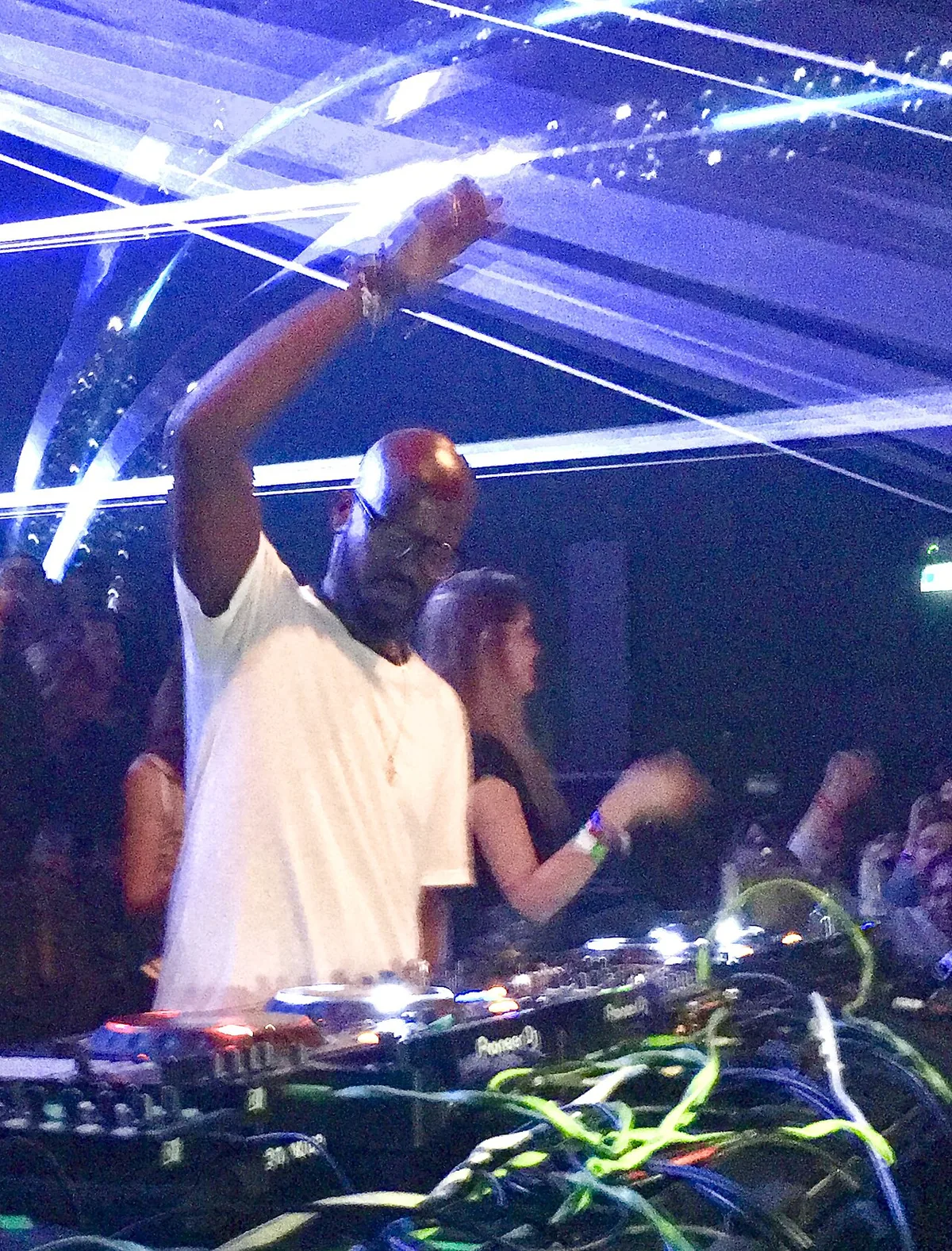
Both are afro house, and the argument between them is part of the genre now. This guide follows the music from Soweto and Durban to Ibiza, through afro tech, and ends with the afro house artists and DJs worth knowing. For South Africa's other house export, the log drum music of the 2020s, see the amapiano guide.
What afro house sounds like.
The drums carry it. Orphiq's guide describes a four-on-the-floor kick under layers of percussion and syncopation, and notes that the percussion does more to identify the style than the kick does. Newer 3Step records drop to three kicks in a bar of four. The usual tempo is roughly 115 to 125 BPM, a touch below most house.
Over the drums sit chants, choirs and sung hooks. The vocals are often in Zulu or Xhosa as well as English, and they work as rhythm as much as melody. Pianos, strings and long, warm chords give the deeper records their mood.
Black Coffee's "Superman" is a good first record: a sung hook, a patient groove and very little else.
Afro house vs amapiano
The two come from the same country and share DJs, crowds and playlists, and they are not the same music. Mixmag credits amapiano with innovating the use of the log drum, while Orphiq says layered percussion and syncopation do the identifying in afro house. Afrobeats, the West African pop umbrella, is a third thing again, and gqom, from Durban, is harder and more broken than either.
Where afro house came from.
There is no founding record. The sources agree on a lineage instead. Kristina Kay Robinson's 2022 history for Gray Area traces afro house to Pretoria, Durban, Cape Town, Johannesburg and Soweto, where traditional sounds met deep house and kwaito. Contactmusic puts the beginnings in the townships of Soweto and Umlazi in the 1990s.
Kwaito came first. It took its name from "kwaai", slang for hot or angry, and it arrived with the end of apartheid in 1994: house music slowed down, with local vocals and township slang on top.
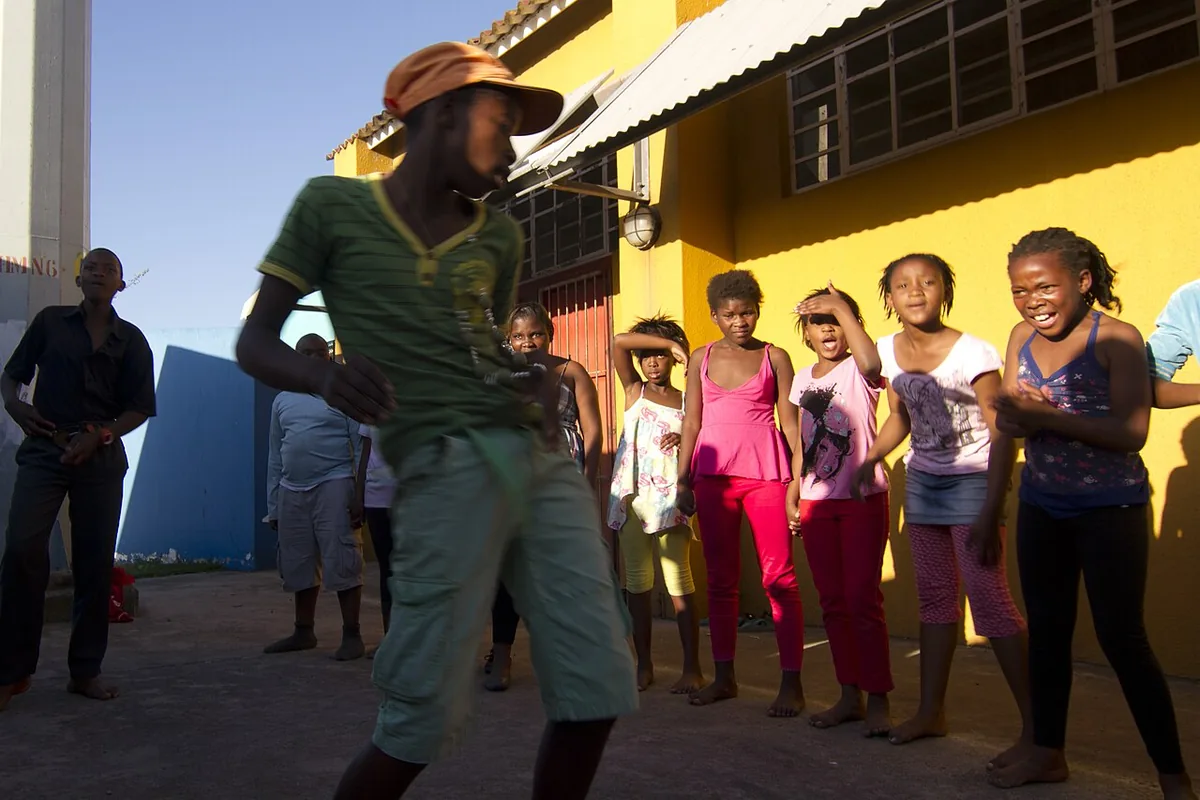
Beatportal summed up the family tree in 2021: "Afro House is the musical baby of kwaito, tribal, deep and soulful house". American DJs mattered too: Gray Area says Joe Claussell and Ron Trent have worked the polyrhythms of African sound into their records since the mid-eighties.
Joe Muggs' history for SHFL names some of the landmarks: the 1997 kwaito compilation Groove City 5, and "Hiya Kaya" by Kentphonik and Khensy, which SHFL calls a foundational EP from South Africa's rise as a global house power in the late 2000s. Contactmusic names Black Coffee, Culoe De Song and DJ Merlon as the early architects.
Contactmusic names Culoe De Song among the early architects, and "The Bright Forest" is a good way into his records.
Lisbon and the Angolan branch
A second line runs through Portugal. Gray Area describes how Lisbon's Angolan diaspora mixed kuduro and batida with house, with Dj Firmeza as a leading name, often at faster tempos than the South African sound. Dj Firmeza's DJ's Do Guetto Vol.1, from 2006, is the landmark, and DJ Tatz Bless's "Club Controller" (2018) carried the sound forward.
Black Coffee and afro house.
No single artist did more to take afro house abroad than Black Coffee. Born Nkosinathi Maphumulo in 1976, he released his debut album in 2005 and followed it with Have Another One (2007), Home Brewed (2009), Africa Rising (2012) and Pieces of Me (2015), according to Gray Area's list of the genre's artists.
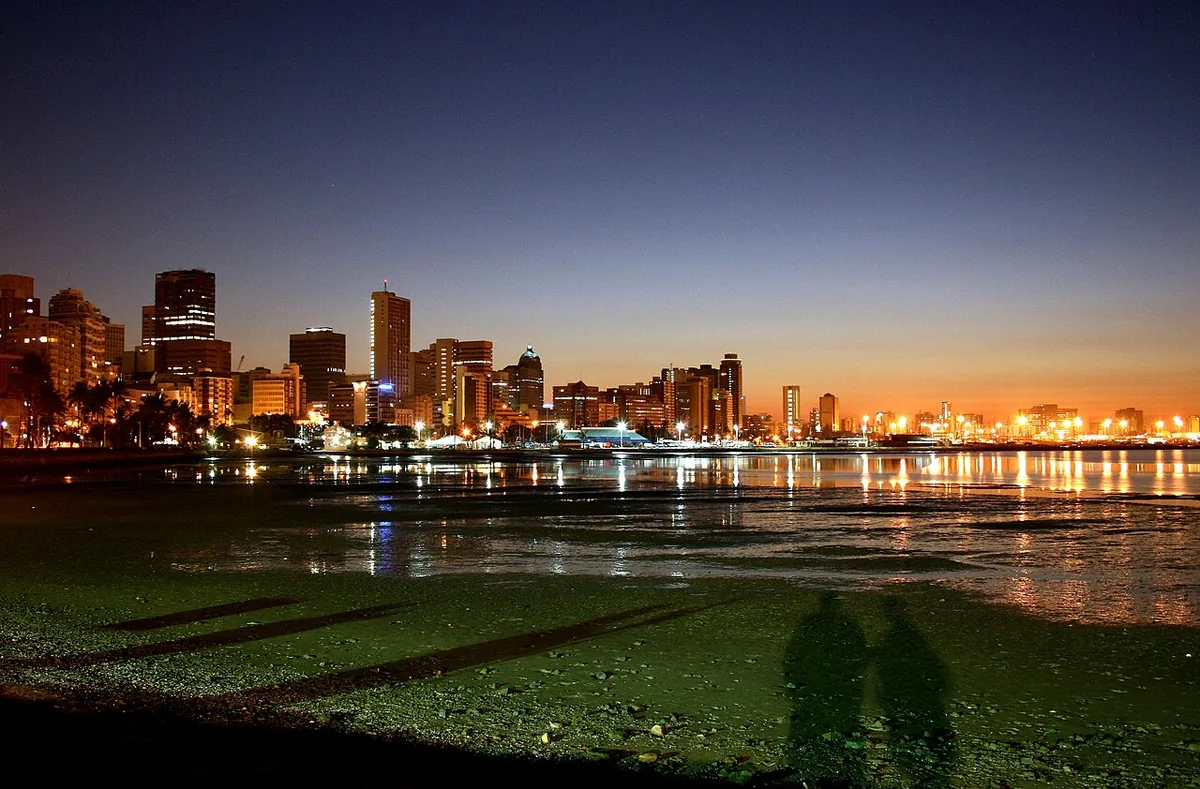
He played Coachella in 2019. In 2022 his 2021 album Subconsciously won him the Grammy for Best Dance/Electronic Album, the first time an African artist had received the honour, according to Contactmusic. He executive-produced Drake's album Honestly, Nevermind, and Upperent reports that in 2024 he became the first African DJ to headline Madison Square Garden.
His black coffee afro house sets at Hï Ibiza draw famous guests: Contactmusic reports Katy Perry dancing at one in July 2024.
Black Motion, the Johannesburg duo of Robert Mahosana and Thabo Mabogwane, are the other great name from this period. Gray Area describes their sound as lively traditional percussion blended with house.
Afro tech.
Afro tech is afro house with techno in it: longer builds, darker tones and a harder drive. Mixmag's 2023 history of the style, by Setumo-Thebe Mohlomi, says South African producers created it in the early 2010s.
The DJs who play it disagree on whether it is a separate genre. Enoo Napa told Mixmag it is "journey music" and that it has "always been Afro house". JAMIIE put it more bluntly: "AfroTech is the answer to techno".
Shimza is the name most closely tied to it. He explained the idea to Mixmag in commercial terms: "We've added techno elements into our Afro [house] sound so that it translates into a market". During the Covid lockdowns his online Lockdown House Party moved to the satellite TV channel Channel O, putting afro tech in front of a national audience every week. He also runs the Kunye events and label.
Mixmag reports that the singing is often in isiZulu and isiXhosa, and that the vocalist Thandi Draai calls her side of it "Gospel Tech". Durban's Anywhere In Your City sold out to 8,000 people. At home, Mixmag notes, amapiano has dominated South African music production and broadcast, and afro tech has built its own events.
Da Capo and Enoo Napa, playing back to back for Kunye, show the deeper, more hypnotic end.
Ibiza, Tulum and the global wave.
By the 2020s European artists were making the biggest hits. Keinemusik, formed in Berlin in 2009 by Adam Port, &ME, Rampa and Reznik, are the centre of it. Contactmusic credits their mix of afro house and melodic house with taking the sound into the mainstream.
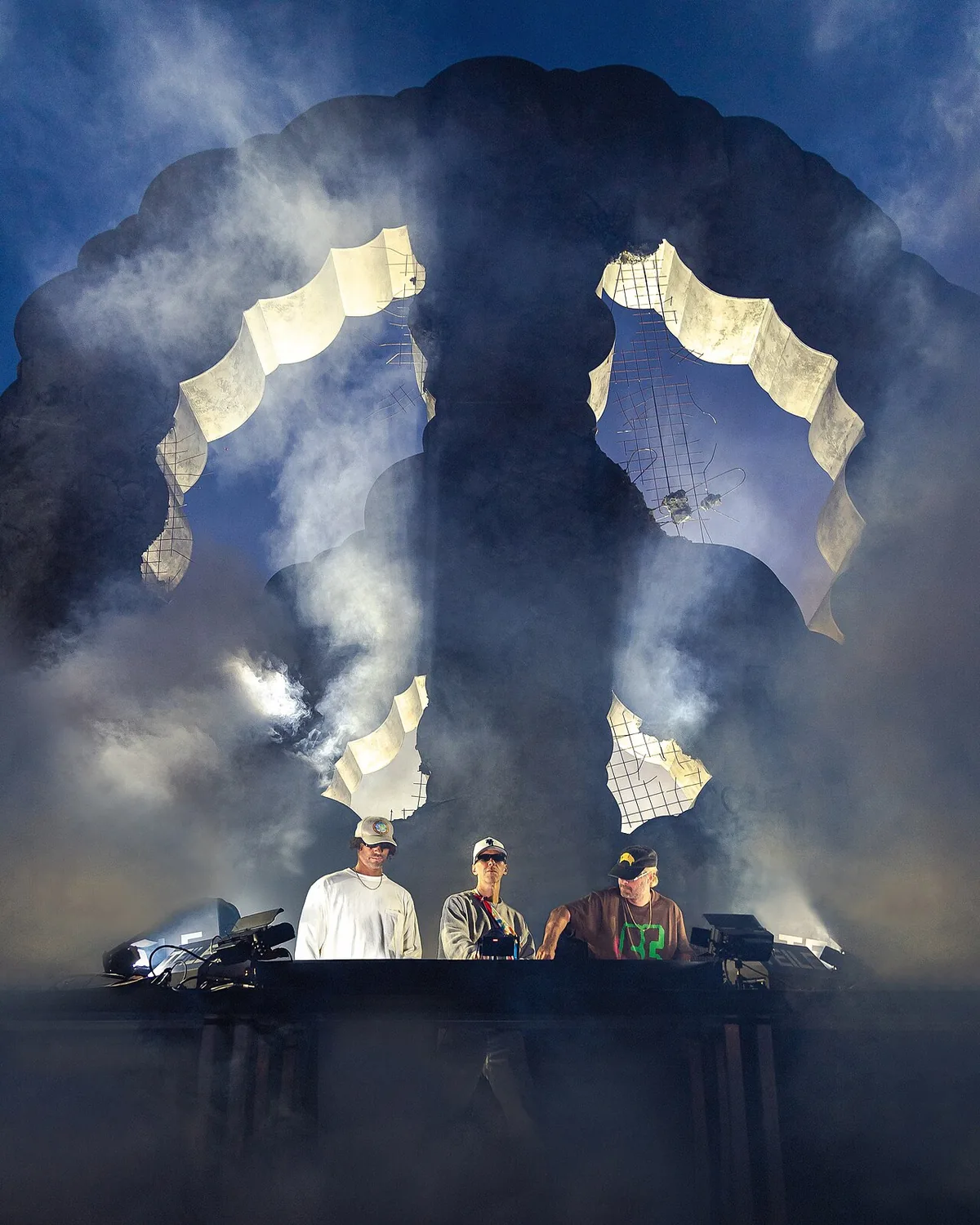
The turning point was Adam Port's "Move", made with the American producer Stryv and the singer Malachiii. EDMTunes reported that Keinemusik had teased it at shows in Egypt, Melbourne, Los Angeles and Bali, and that ripped audio drew more than 100 million views before its release on 7 June 2024. Contactmusic puts its Spotify streams above 619 million.
Tulum became the second capital. Zamna Tulum has run since 2017 on an 11-hectare site with cenotes, and the Tulum Times reports crowds of more than 25,000 from over 120 countries, with Keinemusik headlining in January 2026. HUGEL, from Marseille, turned from dance-pop to the sound and had a huge record in "I Adore You" in 2024. The industry followed. Beatport added an Afro House category in 2017 and made it a Hype genre in 2024, according to Atwood Magazine, and EDC Las Vegas ran its first afro house stage in 2025.
The argument about who it belongs to
The success brought a backlash in two directions. One is about ownership. OkayAfrica's Tšeliso Monaheng wrote in 2026 about the gentrification that had made collectives like Keinemusik "some of the biggest Afro artists worldwide", while noting that Boddhi Satva and others have worked to keep the genre's roots from being co-opted. "It is the price Black music pays for global expansion," he wrote. Atwood Magazine, writing about Brooklyn's Descendants party, credited Keinemusik with putting the South African DJs DESIREE and AQUTIE in front of their crowds.
The other is about the parties. A 2025 CULTR piece asked whether afro house was killing dance music, after a viral clip of a Hï Ibiza closing showed a crowd filming on phones. Its answer was no: it blamed promoters for booking whatever is trending on TikTok and trading dancefloors for VIP sections, and pointed out that 40% of Ibiza's ten most Shazammed tracks that summer were afro house, among them "Say What" by Rampa, &ME and Adam Port.
Afro house artists and DJs.
The South African names come first, because the sound is theirs:
- Black Coffee, the genre's biggest name and its route into Ibiza.
- Culoe De Song, one of the early architects, according to Contactmusic.
- Black Motion, traditional percussion and house from Johannesburg.
- Zakes Bantwini, whose "Osama" was one of the biggest dance anthems of 2021.
- Sun-El Musician, behind the El World Music label.
- Prince Kaybee, known for "Charlotte" with Lady Zamar.
- Da Capo and Enoo Napa, the deep, spiritual end.
- Shimza, DESIREE and JAMIIE, the afro tech side.
- Themba, whom Gray Area lists among the artists tightening their grasp on dancefloors worldwide, and Thakzin, whom Upperent credits with pioneering 3-Step.
- Msaki and Simmy, two of the voices.
The afro house djs who carried it abroad are a second list: Keinemusik, that is Adam Port, &ME and Rampa; HUGEL; and Boddhi Satva. Gray Area also names Kenya's SURAJ and the festivals that host the wider continental scene, among them Nyege Nyege in Uganda.
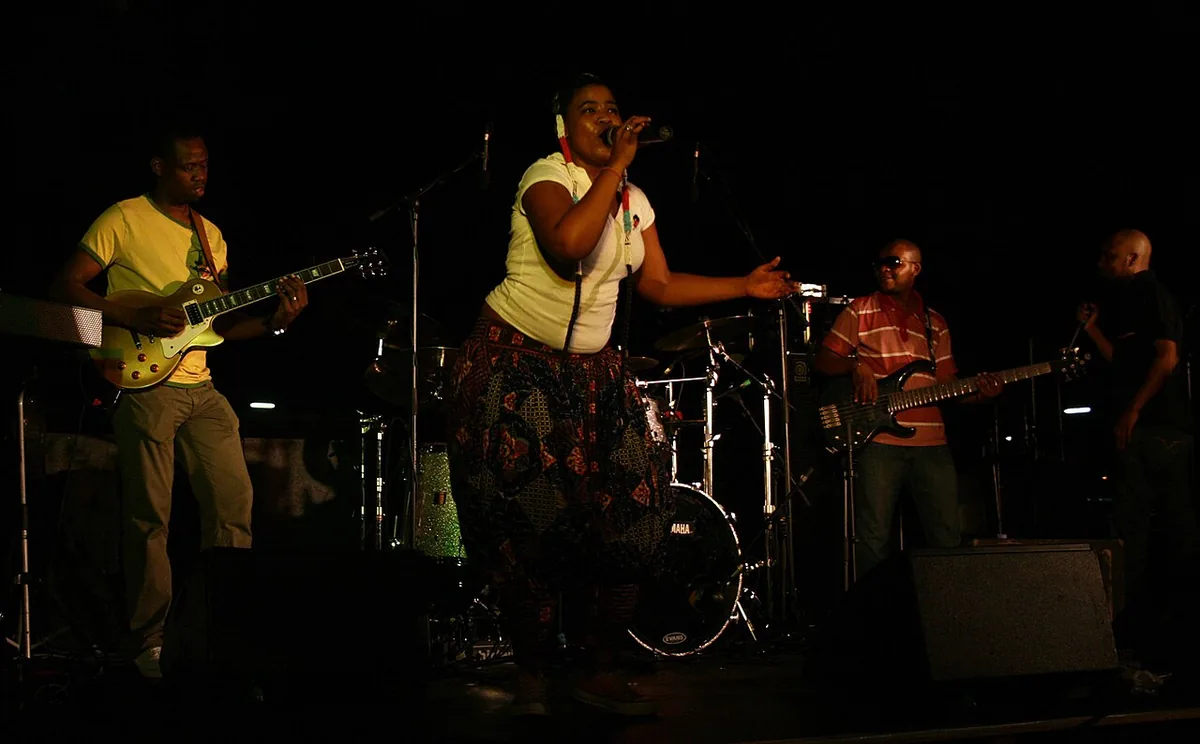
For kwaito, the music underneath it all, Bongo Maffin are a good way in.
Where to start with afro house.
For the South African sound, start with Black Coffee's records and a Black Motion set, then Culoe De Song and Da Capo for the deeper side. For afro tech, try Shimza's Cercle set. For the Ibiza and Tulum wave, start with Keinemusik and "Move". The house music guide covers the parent genre, and the amapiano guide the sound that now rules South Africa's own dancefloors.
Afro house FAQ.
What is afro house?
Afro house is house music from South Africa, built on syncopated, layered percussion, usually at 115 to 125 BPM, with vocals in Zulu, Xhosa or English. It grew out of kwaito and deep house in the 1990s and 2000s.
Is afro house the same as amapiano?
No. Both come from South Africa and share DJs and crowds, but amapiano is its own style, known for its use of the log drum, while afro house is identified by layered, syncopated percussion.
What is afro tech?
Afro tech is a darker, harder style of afro house with techno elements, created by South African producers in the early 2010s. Shimza is its best-known name.
Is Black Coffee afro house?
Yes. Black Coffee is the best-known afro house DJ and producer in the world, from his debut album in 2005 to his Grammy for Subconsciously in 2022 and his Ibiza nights.
Who are the best afro house artists?
Black Coffee, Culoe De Song, Black Motion, Zakes Bantwini, Sun-El Musician, Da Capo, Enoo Napa and Shimza lead the South African side. Keinemusik and HUGEL lead the European wave.
What BPM is afro house?
Usually between about 115 and 125 BPM, according to Orphiq.
Sources.
- Orphiq: What Is Afro House?, 2026
- Gray Area: How South Africa Created the Blueprint for Afro House, Kristina Kay Robinson, 2022
- Gray Area: 10 Afro House Artists You Should Know, Lauryn Njeri, 2022
- Mixmag: AfroTech, Setumo-Thebe Mohlomi, 2023
- Beatportal: What's Next for Afro House, Chandler Shortlidge, 2021
- Atwood Magazine: Afro House, Neoliberalism and the Backlash Against Blackness, BL Suede, 2025
- CULTR: Is Afro House Killing Dance Music?, Jake Gable, 2025
- Contactmusic: Louisa Eagle, 2025
- EDMTunes: Adam Port Teams Up With Stryv On Summer Anthem Move, Kevin Ng, 2024
- OkayAfrica: Who Gets to Live In the House That Afro Built?, Tšeliso Monaheng, 2026
- SHFL: Afro House, Joe Muggs
- Tulum Times: Keinemusik Returns to Headline Zamna Tulum Festival 2026
- Upperent
Continue reading
Read next.
 Music history~9 min read
What Is Amapiano? South African House Music, Songs, Artists
Pianos and a rolling log drum: where amapiano came from, how it spread from minibus taxis to the Billboard Hot 100, the styles, the songs and the artists.
Read article → Music history~10 min read
What Is Electro Swing? Electro Swing Music, Artists and Bands
Swing and jazz over house beats: Parov Stelar, Caravan Palace, We No Speak Americano, why people hate electro swing and whether it is still a thing.
Read article → Music history~14 min read
What Is House Music? History, Sound and Chicago Origins
Frankie Knuckles, the Warehouse and the first Chicago records: what house music is, why it is called house, and the styles from deep house to afro house.
Read article → Music history~14 min read
What Is Acid House? From Chicago's TB-303 to the UK Rave Boom
A $40 bass machine, three friends in Chicago, a DJ who played their tape four times in a night, and the British movement that borrowed the name.
Read article →Want something to play while you read? Let the Selector pick a DJ set.